
Want to know how to get gel polish off without a salon visit? You need 100% acetone, cotton, a wrap and about 10 to 15 minutes. The real skill is patience, because rushing is what thins and peels your nails.
This guide walks you through each step, shows how long every method takes and explains what to do when the gel refuses to budge. You will also learn how to take off Gel-X, toenail gel and builder gel, plus how to tell if your nails need a break afterward.
☰ Jump to a section17 sections
- How Do You Take Off Gel Nail Polish? (Quick Answer)
- Why You Should Never Peel Gel Off
- What You Need
- Before You Start: Acetone Safety
- How to Remove Gel Nails at Home: Step by Step
- Three Ways to Soak Off Gel
- How Long Does It Take to Get Gel Polish Off?
- How to Remove Builder Gel, BIAB and Hard Gel
- How to Remove Gel-X and Soft Gel Extensions
- How to Get Gel Polish Off Your Toenails
- Can You Remove Gel Without Acetone?
- Troubleshooting
- Aftercare: Helping Your Nails Recover
- When to See a Doctor
- Ready for Your Next Set?
- Frequently Asked Questions
- Sources
How Do You Take Off Gel Nail Polish? (Quick Answer)
- File off the shiny top coat with a 180 grit file.
- Rub petroleum jelly on the skin around each nail.
- Soak a nail-sized piece of cotton in 100% acetone.
- Press it on the nail and wrap with plastic wrap or foil.
- Wait 10 to 15 minutes.
- Wipe the loose gel away with a warm, damp washcloth, then wash and moisturize.
The advice here follows guidance from the American Academy of Dermatology, Poison Control, Mayo Clinic and the FDA. Sources are listed at the end.
Why You Should Never Peel Gel Off
Gel bonds tightly to the top layers of your nail. When you peel or pick it off, those layers come with it. The American Academy of Dermatology advises against picking at gel polish or using other nails or tools to pry it off. Dermatologist Andrea Chen told TIME that peeling or chipping gel off likely causes more nail damage and thinning than soaking it as the manufacturer directs.
Damage does not fix itself quickly. Fingernails grow about 3.5 mm a month according to a 2010 study of nail growth, so a damaged nail can take around six months to grow out fully.
What You Need
| Item | Why |
|---|---|
| Pure acetone (100% or close to it) | Regular and acetone-free removers barely soften gel |
| Coarse file (100/180 grit) | Breaks the shiny top coat so acetone can get in |
| Cotton pads or lint-free pads | Hold the acetone on the nail |
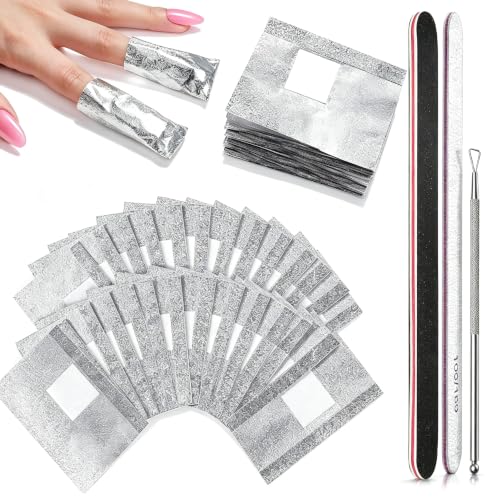
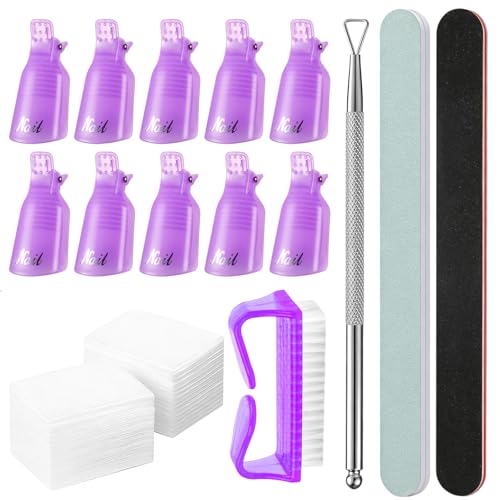
| Foil squares, soak-off clips or a small bowl | Keep the acetone on the nail and stop it evaporating |
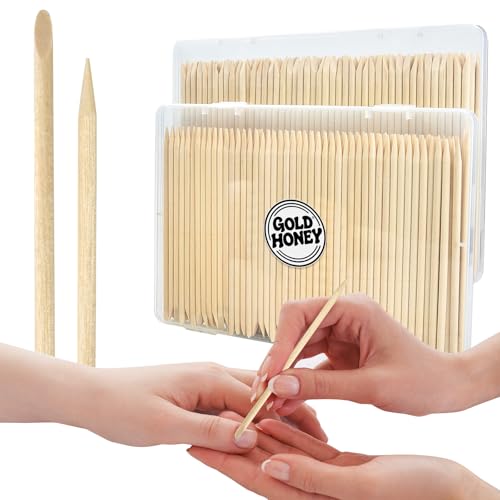
| Orange wood sticks or a cuticle pusher | Push softened gel off gently |
| Petroleum jelly or cuticle oil | Protects the skin around the nail from drying out |
| Fine buffer | Smooths away the last traces |
| Cuticle oil and hand cream | Aftercare |



Before You Start: Acetone Safety
- Work in a room with fresh air. Poison Control advises using remover in a well-ventilated area.
- Keep acetone away from flames, cigarettes and heat. Both Poison Control and the FDA warn that nail products can catch fire near a heat source.
- Protect your furniture. Acetone damages varnish, plastic and some fabrics, so work on a towel or an old tray.
- Store it high up and out of children’s reach. Poison Control describes acetone as harmful if swallowed and lists its free 24-hour helpline: 1-800-222-1222 in the US.
- If acetone gets in your eyes, flush with water for 10 to 15 minutes, as Poison Control advises.
Try the free Nail Color Matcher
See which polish colors suit your skin tone. Free, no sign-up.
How to Remove Gel Nails at Home: Step by Step
Step 1: Clip Long Tips
If your nails are long, trim them first. Less gel means faster removal, and you were likely to shorten them anyway once the gel is off.
Step 2: File Off the Shiny Top Coat
Use a coarse file to remove the glossy top coat from each nail. File lightly across the whole surface until it looks dull. You only want to break the seal so acetone can soak in. Stop before you reach the natural nail.
Step 3: Protect the Skin
Rub petroleum jelly or cuticle oil onto the skin around each nail. Acetone dries out skin and can cause peeling and flaking, according to Poison Control, which also recommends protecting cuticles with a thin layer of petroleum jelly.
Step 4: Soak Cotton in Acetone
Cut cotton pads into small pieces, about the size of your nail. Soak each piece in acetone and place it on the nail so it covers the gel but not the skin.
Steps 5 and 6: Wrap and Wait
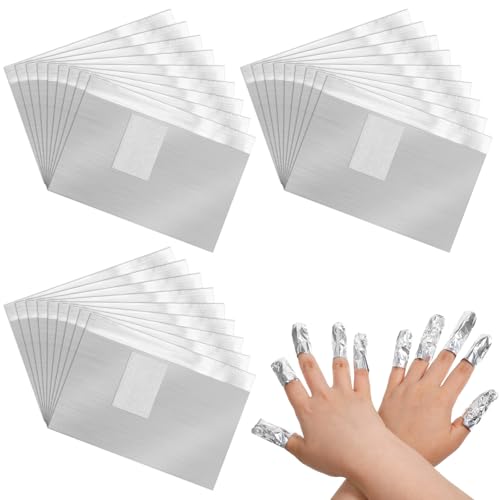
Wrap each fingertip tightly in a square of foil, or hold the cotton in place with a soak-off clip. Wait 10 to 15 minutes. Do not keep lifting the foil to check, because the acetone evaporates and cools each time.
Step 7: Push the Gel Off Gently
Remove one wrap at a time. The gel should look wrinkled or lifted. Push it off with an orange wood stick, working from the cuticle toward the tip, with light pressure. If it does not slide off easily, re-wrap that nail for another 5 minutes. Forcing it scrapes the nail.
Step 8: Buff, Wash and Moisturize
Lightly buff away any thin traces of gel with a fine buffer. Wash your hands with soap and water to remove the acetone, then apply cuticle oil and hand cream.


Three Ways to Soak Off Gel
| Method | How it works | Pros | Cons |
|---|---|---|---|
| Foil wraps | Acetone cotton on each nail, wrapped in foil | Cheap, keeps acetone off most of the skin | Fiddly to wrap the second hand |
| Soak-off clips | Reusable clips hold the cotton in place | Quick, reusable, easy on both hands | Small upfront cost |
| Fingertip bowl soak | Fingertips in a small bowl of acetone | Fast for thick gel | More skin contact. Soak fingertips only, never whole hands |
If you use a bowl, follow the American Academy of Dermatology advice to soak only your fingertips in acetone rather than your whole hands or fingers. Some bowls sit inside a second bowl of warm water, which warms the acetone and speeds it up. Never heat acetone directly; it is flammable.

How Long Does It Take to Get Gel Polish Off?
Most people can get gel polish off in 10 to 15 minutes of soaking, plus about 5 minutes to prep and clean up. The wrap you choose changes the time a little. A tight seal keeps the acetone wet, so the gel softens faster.
The American Academy of Dermatology’s at-home removal steps use plastic food wrap for 10 minutes. Its gel manicure safety tips say cotton wrapped in foil takes about 15 minutes. The other times below are typical results with fresh 100% acetone on a regular soak-off gel manicure.
| Method | Soak time | Good to know |
|---|---|---|
| Cotton + plastic wrap | About 10 minutes | Seals tighter than foil, so acetone drips less (AAD) |
| Cotton + foil wraps | About 15 minutes | Easy to do one hand at a time (AAD) |
| Fingertip soak in a bowl of acetone | 10 to 15 minutes | Dip only your fingertips, never your whole hand |
| Warm bowl-in-bowl soak | 8 to 10 minutes | Set the acetone bowl in warm tap water, never near heat or flame |
| Soak-off clips | 10 to 15 minutes | Reusable and less messy, but clips can loosen |
| Peel-off base coat | Under 2 minutes, no soak | Only works if a peel-off base was used under the gel |
How to Remove Builder Gel, BIAB and Hard Gel
Not all gels soak off the same way:
- Soak-off gel polish: the standard method above works.
- Builder gel and BIAB: these are thicker. File down most of the bulk first, leaving a thin layer, then soak. Many people get a fill instead of removing it every time.
- Hard gel: does not soften in acetone at all. It has to be filed off, which takes skill. A nail tech is the safer choice.
- Peel-off base coats: some brands sell a base designed to peel away without acetone. Only use the peel-off method if you applied that base.
If you are not sure which type you have, ask your salon or check the bottle. Our Types of Nail Polish guide explains the differences.
How to Remove Gel-X and Soft Gel Extensions
Gel-X and other soft gel tips are full-cover extensions made of soak-off gel. They are thicker than a gel manicure, so plan on 20 to 30 minutes in total. Do not pull them off. A popped tip can take a layer of your real nail with it.
- Cut the length down. Clip the tips to just past your natural nail. Less product means a shorter soak.
- File the top. Use a 100 to 180 grit file to remove the shine and thin the color. Stop before you reach your own nail.
- Protect your skin. Coat your cuticles and fingertips with petroleum jelly.
- Soak for 15 minutes. Use acetone-soaked cotton under plastic wrap, or dip your fingertips in a small bowl of acetone.
- Check one nail. If the tip slides off with a light push, remove the rest. If it still feels firm, soak 5 to 10 more minutes.
- Clean up. Buff off any thin leftover patches gently, wash your hands and moisturize.
If a tip still will not loosen after 30 minutes, stop soaking. Have a nail tech file it off instead.
How to Get Gel Polish Off Your Toenails
Toenails come off the same way as fingernails. Toe gel often lasts longer, so it can be a little thicker by the time you remove it.
- Lay a towel on the floor and sit where you can reach your feet easily.
- File the shine off each toenail.
- Put petroleum jelly on the skin around each nail.
- Cut the cotton to size. The AAD suggests about half a cotton ball for most nails and a quarter for little toes.
- Soak the cotton in acetone, press it on and wrap each toe in plastic wrap. Do not wrap so tight that it pinches.
- Wait 10 minutes, then wipe the gel away with a warm, damp washcloth.
- Wash your feet with fragrance-free soap and moisturize.
Be extra gentle here. A damaged toenail takes 12 to 18 months to grow out, according to the AAD.
Can You Remove Gel Without Acetone?
Not well. Acetone-free removers, hot water, alcohol and oils can loosen the edges, but they rarely soften gel enough to push it off cleanly, and you end up scraping or peeling. Pure acetone used for short periods with skin protection is the safer option for your nails.
If you want to avoid acetone in future, choose regular polish, a peel-off base coat or press-on nails. See our comparison of gel, regular polish and press-on nails.

Troubleshooting
| Problem | Likely cause | Fix |
|---|---|---|
| Gel will not lift after 15 minutes | Top coat not filed enough, or acetone too weak | File again until dull, use pure acetone, re-wrap for 5 to 10 minutes |
| Only the edges lift | Acetone evaporated, wrap too loose | Use fresh, well-soaked cotton and wrap tightly |
| Base coat still stuck | Base is the last layer to soften | Re-wrap for a few minutes or buff very lightly. Do not scrape |
| White, chalky nails | Acetone dried the nail surface | Usually temporary. Wash, apply cuticle oil and it fades within hours |
| Skin is dry and peeling | Acetone on the skin | Protect skin with petroleum jelly before you start and moisturize after |
| Hard gel or builder will not soften | It is not soak-off gel | File down or book a salon removal |
The Gel Won’t Come Off After 20 Minutes
Do not scrape harder. Stubborn gel almost always has one of three causes.
- The top coat is still sealed. Acetone cannot get through a shiny layer. Take off the wrap, file until the surface looks dull everywhere, then soak again for 5 to 10 minutes.
- The acetone dried out. Loose wraps let it evaporate. Use fresh, dripping-wet cotton and seal it tighter.
- It is not soak-off gel. Builder gel, hard gel and polygel barely soften in acetone. Those need to be filed down.
Thick layers also take longer to dissolve. If your gel is always hard to remove, check your gel polish cure times on your next set.
Aftercare: Helping Your Nails Recover
Right after removal, nails can look dry, white and slightly rough. That is mostly surface dryness and improves with moisture.
- Take a break. The American Academy of Dermatology suggests going one to two weeks or longer without polish between gel manicures.
- Moisturize often. The American Academy of Dermatology recommends a moisturizer such as petroleum jelly on nails and cuticles several times a day to reduce brittleness.
- Keep nails short while they recover, and file in one direction.
- Consider a nail hardener. Mayo Clinic says one may help strengthen weak nails, but the FDA notes that hardeners with formaldehyde can make nails brittle with frequent use.
- If your nails hurt or feel very sensitive after removal, give them longer without gel. Dermatologist Andrea Chen told TIME that ongoing pain or sensitivity is a sign to stop using the product.
- Check your nails with our Nail Health Checker.

Signs of Acetone or Removal Damage
Check your nails a day after removal. Here is what to look for and how to fix it.
- White, chalky patches on the nail: The surface is dried out. Rub petroleum jelly or cuticle oil into each nail twice a day until it fades.
- Thin, bendy nails: Too much filing or scraping. Keep nails short and skip gel for at least 1 to 2 weeks.
- Peeling layers at the tip: Clip and gently file the peeling edge. Moisturize your nails several times a day.
- Red, dry or stinging skin around the nail: Acetone irritation. Wash with fragrance-free soap and apply petroleum jelly daily for a week, as the AAD advises.
- Pain, swelling, or a nail lifting off the skin: Stop all polish and see a doctor.
Not sure what you are seeing? Try our nail health checker for a quick look at common nail changes.
When to See a Doctor
See a dermatologist if your nails stay painful, lift from the nail bed, change color, or if you notice redness, swelling or an itchy rash around the nails. Mayo Clinic lists nail separation, bleeding, swelling and pain around the nail among the signs that need a professional opinion.
Ready for Your Next Set?
Once your nails have had a break, see our guide on how to do gel nails at home, or start with the basics in how to do your nails at home. For ideas, browse polka dot nails, burgundy nails, short winter nails or the Nail Color Guide.
Frequently Asked Questions
How long does it take to remove gel nails at home?
About 30 minutes for both hands: around 5 minutes to prep, 10 to 15 minutes of soaking, and 10 minutes to push off, buff and moisturize.
Can I use regular nail polish remover?
Regular removers with a lower acetone content work slowly, and acetone-free removers barely affect gel. Pure acetone is far more effective.
Is it bad to peel off gel nails?
Yes. Peeling pulls off layers of the natural nail and leaves it thin and weak. Always soak it off.
Why are my nails white after removing gel?
Acetone dries the nail surface. Wash your hands and apply cuticle oil; the white look usually fades within a few hours.
How often should I remove and redo gel?
Most people remove gel every two to three weeks. The American Academy of Dermatology suggests breaks of one to two weeks or longer between gel manicures.
Can I remove gel without foil?
Yes. Soak-off clips or a fingertip bowl both work. Clips are the easiest way to do both hands.
Should I go to a salon to remove gel?
For soak-off gel polish, home removal is fine if you are patient. For hard gel or thick builder gel that needs heavy filing, a salon is safer.
How do you get gel polish off without a kit?
You only need 100% acetone, cotton balls and plastic food wrap, which most drugstores and kitchens already have. Soak a nail-sized piece of cotton in acetone, wrap it on for about 10 minutes, then wipe the gel away with a warm, damp washcloth. A nail file helps, but a removal kit is optional.
Can you get gel polish off with nail polish remover?
Only if the remover contains acetone, and it will be slow. Regular remover is often diluted, so expect 20 minutes or more and some scraping. Non-acetone remover will not dissolve gel at all, so buy pure acetone for the best result. See our guide to types of nail polish to learn why gel needs a stronger solvent than regular polish.
Sources
- American Academy of Dermatology: Gel manicures, tips to keep nails healthy
- Poison Control (National Capital Poison Center): Nail polish and glue removers
- TIME: Why does nail polish remover hurt my nails?
- Mayo Clinic: Fingernails, do’s and don’ts for healthy nails
- U.S. Food and Drug Administration: Nail Care Products
- Yaemsiri et al., Growth rate of human fingernails and toenails, JEADV, 2010