
Brittle nails are nails that peel into layers, split at the tip or snap with very little pressure. They are common. Brittle nail syndrome affects about 20% of adults in the US, and it shows up most often in older women.
The good news is that most cases come from things you can change: how often your hands get wet, what you use to remove polish, and how you care for your nails day to day. This guide explains the causes, the nutrients that matter, what the evidence says about biotin, and a routine you can start today.
Quick answer: Most brittle nails are caused by repeated wetting and drying, harsh cleaners, frequent polish or gel removal and normal aging. Keep nails short, wear gloves for wet chores, moisturize your nails and cuticles after every hand wash and at bedtime, and take breaks from gel. Eat enough protein and iron. Biotin may help some people, but the evidence is weak. See a doctor if your nails also change shape, color or thickness.
☰ Jump to a section12 sections
- What Brittle Nails Look Like
- Common Causes of Brittle Nails
- Is It Your Habits or Your Health?
- Nutrition for Stronger Nails
- Does Biotin Help Brittle Nails?
- Daily Care Routine for Brittle Nails
- Products That Help
- Mistakes That Make Brittle Nails Worse
- When to See a Doctor
- Frequently Asked Questions
- The Short Version
- Sources
What Brittle Nails Look Like
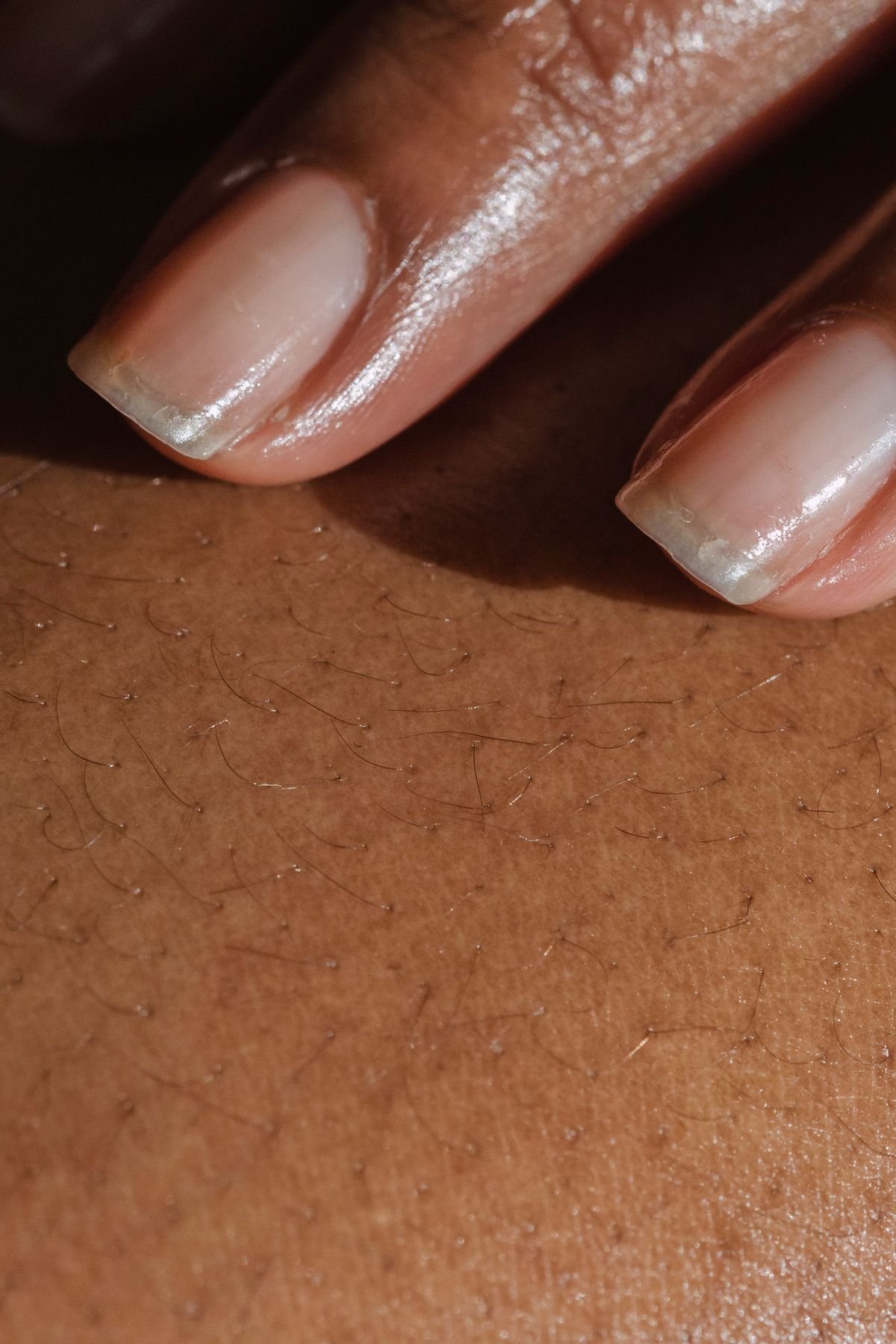
Brittle nails show up in a few clear ways. You may have one or several at the same time.
- Peeling in layers. The tip separates into thin, flat sheets. Doctors call this onychoschizia. It often starts after lots of hand washing.
- Lengthwise ridges and splits. Shallow lines run the length of the nail, and it can split along one of them. This is called onychorrhexis.
- Snapping or tearing at the tip. The nail breaks across the free edge, often from a light knock.
Brittle nails are not the same as soft nails. Soft nails bend easily and tear like paper. Brittle nails are hard and dry, so they crack and peel instead of bending.
Common Causes of Brittle Nails
Your nail plate holds a small amount of water and some natural oils. Anything that strips that water and oil, or damages the layers of the plate, makes nails brittle. Most cases have more than one cause.
Repeated Wetting and Drying
This is the most common cause. Each time your hands get wet, the nail plate swells. As it dries, it shrinks. Doing that many times a day loosens the bonds between the nail layers, and the tip starts to peel. Cleveland Clinic notes that nails lose water faster than skin, which is why frequent hand washing and sanitizer dry them out. Healthcare workers, cleaners, parents of young children and anyone who washes dishes by hand often see this first.
Harsh Cleaners, Solvents and Sanitizer
Detergents, bleach, dish soap and alcohol-based sanitizer pull oil out of the nail and the skin around it. Solvents at work, such as in hair salons, labs or cleaning jobs, have the same effect.
Polish Removal, Gel and Acrylic
A review in Dermatology and Therapy found that every method of removing nail cosmetics damages healthy nail plates to some degree. Acetone dries the nail, and scraping off gel or filing off acrylic thins it. Wearing polish now and then is fine. Wearing gel back to back for months, with rough removal between sets, is a common cause of weak, peeling nails. If you wear gel, follow a gentle soak-off method instead of peeling it off.
Aging
Nails change with age. Growth slows, the plate holds less oil, and the cells that make up the nail stick together less well. Slower growth also means each part of the nail is exposed to water and chemicals for longer before you trim it away. That is why brittle nails are most common after 50.
Long Nails and Nail Habits
Longer nails take more knocks and bend further when they hit something, so they split more. Biting, picking at the edges, using nails as tools to open cans, and pushing or cutting cuticles hard all add damage.
Health Conditions
Sometimes brittle nails are a sign of something else. These are the most common links:
- Thyroid disease. Both an underactive and an overactive thyroid can cause brittle nails. MedlinePlus lists thyroid disease as a cause of brittle nails and of nails lifting from the nail bed.
- Iron deficiency. Low iron can make nails thin and brittle. Severe deficiency can cause spoon-shaped nails (koilonychia) that curve upward at the edges.
- Psoriasis and lichen planus. Up to half of people with psoriasis have nail changes, such as pits, crumbling or thickening. About 10% of people with lichen planus have nail involvement.
- Fungal infection. Suspect this if the nail is also thick, yellow or crumbly, especially on toenails.
- Poor circulation. Raynaud’s phenomenon reduces blood flow to the fingers and can make nails brittle.
- Some medicines. Chemotherapy and some other drugs can cause brittle or ridged nails. Ask your doctor or oncologist how to protect your nails during treatment.
Is It Your Habits or Your Health?
Use this table to get a rough idea. It does not replace a doctor’s exam, but it can help you decide what to change first.
| What you notice | Likely cause | What to do |
|---|---|---|
| Peeling layers at the tip only, nails otherwise normal | Wet and dry cycles, polish removal | Gloves, moisturizer, shorter nails |
| Brittle nails on hands only, toenails fine | Hand washing, chores, cleaners | Change daily habits first |
| Nails got weak after months of gel or acrylic | Removal damage | Take a break and let them grow out |
| Spoon-shaped nails, tiredness, pale skin | Possible iron deficiency | Ask your doctor for a blood test |
| Brittle nails plus weight change, feeling cold or hot, hair loss | Possible thyroid problem | See your doctor |
| Pits, thickening, yellow color or nail lifting | Psoriasis or fungal infection | See a dermatologist |
For a quick self-check of other nail changes, try our Nail Health Checker.
Nutrition for Stronger Nails
Nails are made mostly of a protein called keratin. Your body needs enough protein, iron and a few vitamins to build a healthy nail. Eating more of these will not fix nails damaged by water and chemicals, but a real shortage can make nails weak. Here is what matters most and how much adults need each day.
| Nutrient | Role in nails | Daily amount for adults | Good food sources |
|---|---|---|---|
| Protein | Raw material for keratin | At least 45 g (Cleveland Clinic dermatologist advice) | Eggs, fish, chicken, beans, Greek yogurt, tofu |
| Iron | Low iron is linked to thin, brittle and spoon-shaped nails | 18 mg for women 19 to 50, 8 mg for men and adults 51+, 27 mg in pregnancy | Lean meat, seafood, lentils, beans, spinach, fortified cereal |
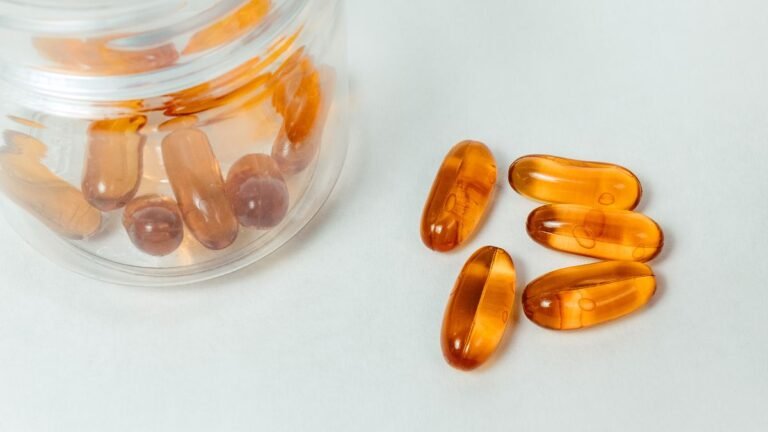
| Biotin | B vitamin used in keratin production | 30 mcg (adequate intake) | Eggs, salmon, beef, sunflower seeds, sweet potato |
A few practical tips:
- Pair plant iron with vitamin C. Iron from beans, lentils and spinach is absorbed less well than iron from meat. Eating it with citrus, strawberries, peppers, tomatoes or broccoli helps your body absorb more. If you eat no meat, poultry or fish, you need almost twice as much iron.
- Do not start iron pills on your own. Too much iron can cause harm, and accidental iron overdose is a leading cause of fatal poisoning in children under 6. Get tested first and keep any supplements out of reach of kids.
- Eggs are a simple win. One cooked egg has about 10 mcg of biotin, a third of the daily amount, plus about 6 g of protein.
- Drinking extra water will not soften brittle nails. Nail hydration comes from what touches the nail, not from how much you drink.
Try the free Nail Color Matcher
See which polish colors suit your skin tone. Free, no sign-up.
Does Biotin Help Brittle Nails?
Biotin is the most popular supplement for nails, but the proof behind it is thin. The NIH Office of Dietary Supplements reviewed the research and found three small studies, none with a placebo group, all using 2.5 mg (2,500 mcg) a day:
- In one study of 45 people, nails became firmer in 41 after about 5.5 months.
- In another, 22 of 35 people (63%) improved after 6 to 15 months.
- In a third, nail thickness rose by 25% in a small group of 8, but only 7% in 14 others, and the difference was not statistically significant.
So biotin may help some people, especially if their nails are brittle for no clear reason, but it is not a sure fix. If you try it, give it at least 6 months, because nails grow slowly and the old nail has to grow out first.
Important: High-dose biotin can make some blood tests give false results, including thyroid tests and troponin, a test used to check for heart attacks. The FDA has warned about this. Tell your doctor if you take biotin, and ask whether to stop it a few days before any blood test.
Daily Care Routine for Brittle Nails
Changing a few daily habits makes the biggest difference. Expect to see stronger new growth near the cuticle within 6 to 8 weeks, and a fully grown-out nail in about 6 months.
Every Day
- Keep nails short. File them so the white tip is short and the shape is rounded or squoval. Short nails take fewer knocks and dry out less.
- Wear gloves for wet chores. Use waterproof gloves for dishes and cleaning. If your hands sweat inside them, wear thin cotton gloves underneath, because trapped moisture also weakens nails.
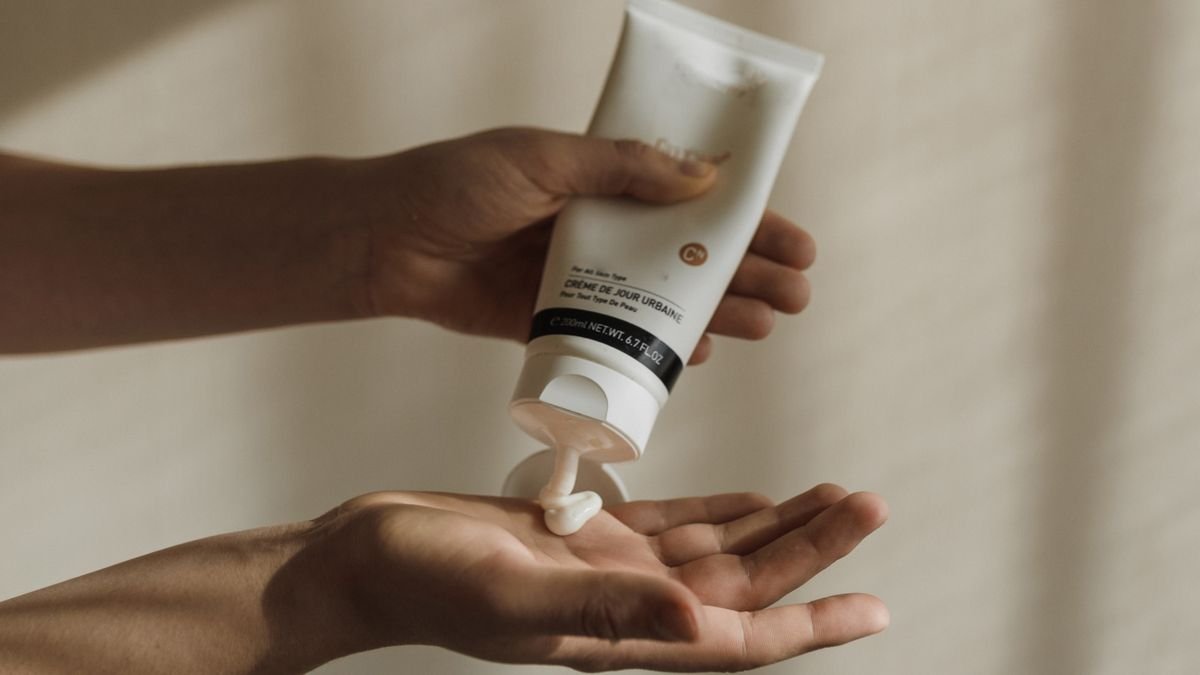
- Moisturize after every hand wash. Rub hand cream into your nails and cuticles as well as your palms. Creams with urea, lactic acid or lanolin work well on dry nails.
- Use sanitizer less when soap is an option. When you do use sanitizer, follow with hand cream.
At Night
- Massage a drop of cuticle oil into each nail and cuticle.
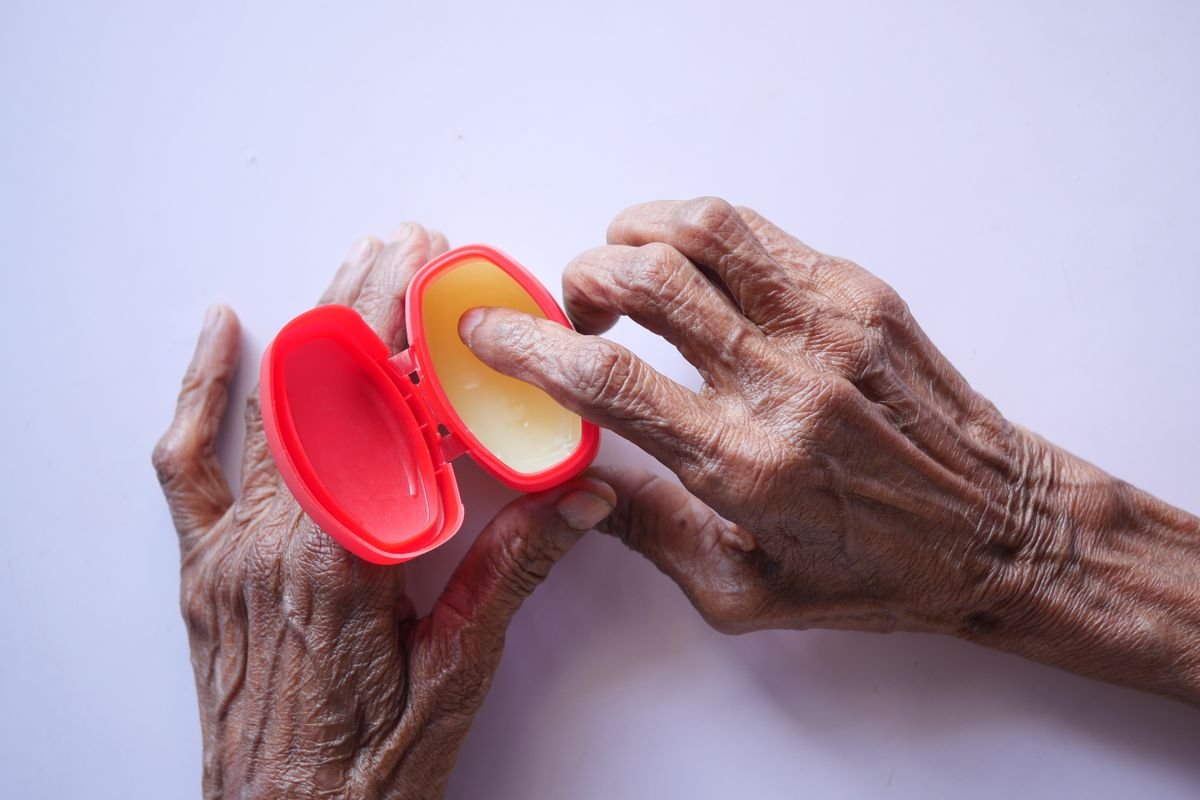
- Cover with a thick cream or a thin layer of petroleum jelly. This “slugging” step seals the moisture in.
- On very dry nights, wear cotton gloves to bed so the cream stays on.
Nail Grooming
- Trim nails after a shower, when they are softer and less likely to split.
- File in one direction with a fine glass or crystal file. A back-and-forth sawing motion can open up the layers at the tip.
- Leave cuticles alone. Push them back gently after a shower if you must, but do not cut them.
- Smooth any snag right away so it does not catch and tear further.
Polish, Gel and Removal
- Use an acetone-free remover when you can, and limit removal to once a week or less.
- Take breaks from gel and acrylic. A few weeks of bare or lightly polished nails between sets lets new growth come in stronger.
- Never peel or pry off gel. Soak it off properly. Our guide to types of nail polish explains which formulas are gentler to remove.
- A nail hardener can help peeling nails for a short time, but do not use it nonstop. Some hardeners can make nails more rigid and more likely to crack.
Products That Help
You do not need a shelf full of products. These four cover most of the routine above.
Bliss Kiss Simply Pure Cuticle Oil Pens

- Jojoba Oil for Healthy-Looking Nails – Enriched with jojoba oil for nails, our cuticle oil for nails formula mimics natu…
- Broken Nails That Refuse to Grow? Aren’t you tired of wishing you were born different? Most people think that “harder” n…
- Supports the Appearance of Stronger Nails – This nail oil is specially formulated to help keep nails looking healthy and…
Fragrance-free cuticle oil in click pens. Keep one in your bag and one by the sink so you use it after hand washing.
O’Keeffe’s Working Hands Hand Cream

- Get your hands back: O’Keeffe’s Working Hands is a concentrated moisturizing cream that heals, relieves, soothes and rep…
- Guaranteed relief for extremely dry hands: A hand cream that creates a protective layer on the skin’s surface, locking i…
- Hardworking skincare: O’Keeffe’s Working Hands dry hand cream provides an instant moisture boost to relieve your discomf…
A thick, unscented cream made for very dry hands. Rub it into your nails and cuticles at bedtime.
Marigold Extra Life Kitchen Gloves

- Triple layered to last longer
- Roll top cuffs that stay up
- Cotton lined for extra comfort
Waterproof gloves for dishes and cleaning, the single easiest way to cut down on wet and dry cycles.
Czech Glass Nail File

- SMOOTH, SEALED NAIL EDGES: Dual-sided czech glass nail files for natural nails shapes and smooths nail edges, creating a…
- HELPS REDUCE CHIPPING & PEELING: Smooths and seals nail edges instead of tearing them, helping reduce chipping, peeling,…
- GENTLE ON NATURAL NAILS: Fine glass surface files nails without micro-tears or damage, making this glass nail file ideal…
A fine glass file that seals the tip as you file instead of fraying it. File in one direction.
Mistakes That Make Brittle Nails Worse
- Soaking nails in water for a long time before a manicure.
- Using nails to open cans, peel labels or scrape things.
- Filing with a coarse emery board or sawing back and forth.
- Peeling off gel or picking at lifted polish.
- Cutting cuticles, which opens a path for infection.
- Skipping gloves “just for a few dishes.”
- Taking high-dose supplements without telling your doctor.
When to See a Doctor
Brittle nails are usually a cosmetic problem. See a doctor or dermatologist if you notice any of these:
- Nails that become spoon-shaped, pitted, thick, yellow or crumbly.
- The nail lifting away from the nail bed.
- Redness, swelling or pain in the skin around the nail.
- Brittle nails along with tiredness, hair loss, weight change or always feeling cold or hot.
- No improvement after 6 months of good daily care.
- A dark streak in the nail, or a red streak under it. MedlinePlus advises contacting a provider right away for these.
Frequently Asked Questions
What deficiency causes brittle nails?
Iron deficiency is the most common nutrient link, and severe cases can cause spoon-shaped nails. Low protein can also play a part. Biotin deficiency is rare in people who eat a normal diet. A blood test is the only way to know, so ask your doctor before taking supplements.
How long does it take to fix brittle nails?
You can stop more damage right away with gloves, moisturizer and shorter nails. New, stronger growth shows near the cuticle in about 6 to 8 weeks. A fingernail takes about 6 months to grow out fully, so expect the whole nail to look better after that.
Are brittle nails a sign of thyroid problems?
They can be. Thyroid problems in either direction are a known cause. If you also have weight changes, tiredness, hair loss or feel too hot or too cold, see your doctor and ask about a thyroid test.
Is cuticle oil good for brittle nails?
Yes. Cuticle oil softens the skin around the nail and adds oil to the nail plate, which reduces peeling. It works best when you use it daily and seal it in with a cream at night.
Should I stop wearing nail polish if my nails are brittle?
You do not have to stop completely. Regular polish can even protect the nail from water. The bigger problem is frequent removal. Wear polish for longer stretches, use acetone-free remover when you can, and take breaks from gel and acrylic.
Why are my nails brittle all of a sudden?
Think about what changed in the last two or three months. Common triggers are more hand washing or sanitizer, cold dry weather, a new job with water or chemicals, a run of gel manicures, a new medicine or a big change in diet. If nothing changed and other symptoms showed up too, see your doctor.
The Short Version
Most brittle nails come from water, chemicals, polish removal and age, and most improve with simple daily care: short nails, gloves for wet work, moisturizer after every wash and an oil-and-cream routine at night. Eat enough protein and iron, treat biotin as a maybe rather than a cure, and see a doctor if your nails change shape or color or you have other symptoms.
Sources
- Cleveland Clinic: Brittle Nails, Causes and Treatment
- NIH Office of Dietary Supplements: Biotin Fact Sheet
- NIH Office of Dietary Supplements: Iron Fact Sheet
- MedlinePlus: Nail Abnormalities
- Pathogenesis, Clinical Signs and Treatment Recommendations in Brittle Nails: A Review (Dermatology and Therapy, 2019)
- Family Practice Notebook: Brittle Nails