
You have probably seen the word “gel” on every salon menu. But what is a gel manicure, and how is it different from the polish you paint on at home? The short version: it looks like regular polish, but it hardens under a lamp and stays shiny for weeks.
This guide covers the full picture. You will learn the types of gel, what happens at each step of the appointment, how long it lasts, what it costs, and what dermatologists say about UV lamps and allergies.
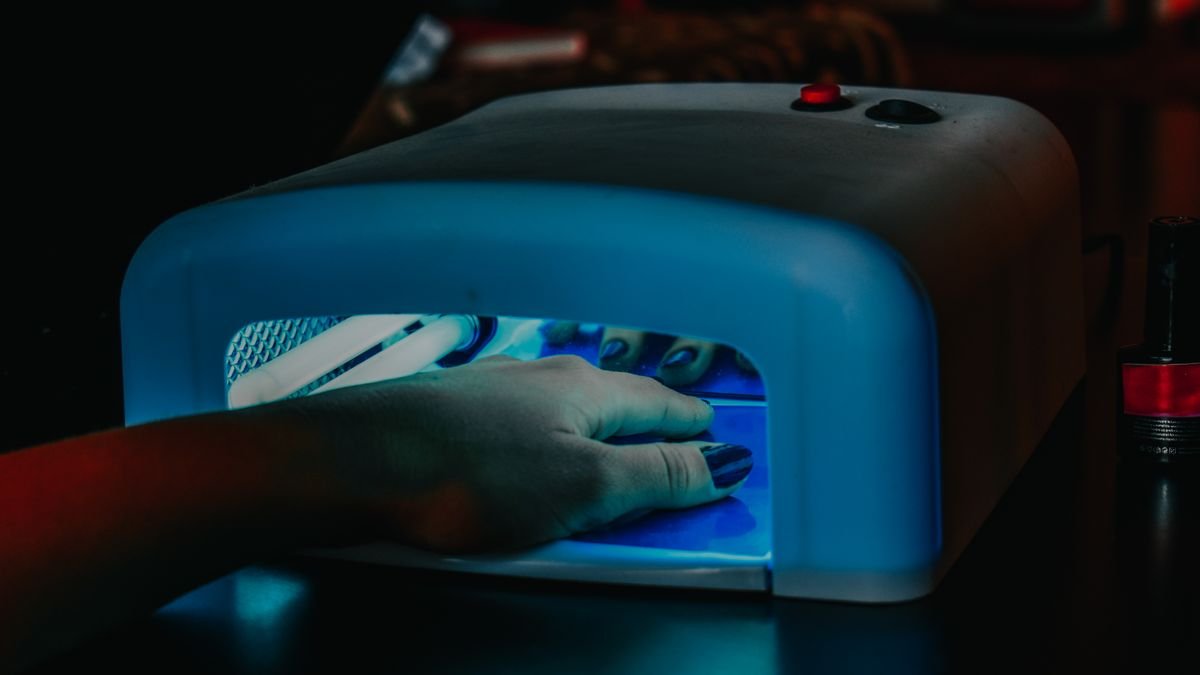
Quick answer: A gel manicure is a manicure that uses gel polish instead of regular nail polish. Each thin coat is hardened (“cured”) under a UV or LED lamp for about 30 seconds to 2 minutes. You leave the salon with dry, glossy nails that usually last two to three weeks without chipping. Removal needs acetone.
☰ Jump to a section11 sections
What Are Gel Nails?
To answer “what is a gel manicure?” fully, you first need to know the product. “Gel nails” is a catch-all term. It covers any nail product made of a gel that turns hard when light hits it. Regular polish dries as its solvents evaporate into the air. Gel stays wet until you put it under a lamp.
There are four main kinds you will hear about at a salon. They look similar once they are on, but they do different jobs.
Gel polish (soak-off gel)
This is what most people mean by a gel manicure. Gel polish comes in a small bottle with a brush, just like regular polish. It goes on in thin coats over your natural nails and comes off with acetone. It adds color and shine but very little strength.
Builder gel
Builder gel is thicker. A nail tech uses it to add a clear, strong layer over your natural nail, then paints color on top. It helps weak or thin nails grow out without bending or splitting. Many builder gels soak off, but they take longer to remove than gel polish.
Hard gel
Hard gel is the toughest type. Techs use it to build or extend nails. Some gels do not dissolve in acetone at all, so they have to be filed off at the salon, according to the Wikipedia entry on artificial nails. Hard gel is a good pick if you want length but do not like the smell of acrylic.
Soft-gel extensions
Soft-gel extensions are pre-shaped tips made of soft gel. Each tip covers your whole nail and is glued on with a gel adhesive, then cured under the lamp. Gel-X is one well-known brand. Wikipedia notes these tips come off after about 20 minutes of soaking in acetone. They are a quick way to get long coffin nails or almond shapes without sculpting.
If you want to see how gel fits next to regular polish, dip and other options, our guide to the types of nail polish breaks down every main formula.
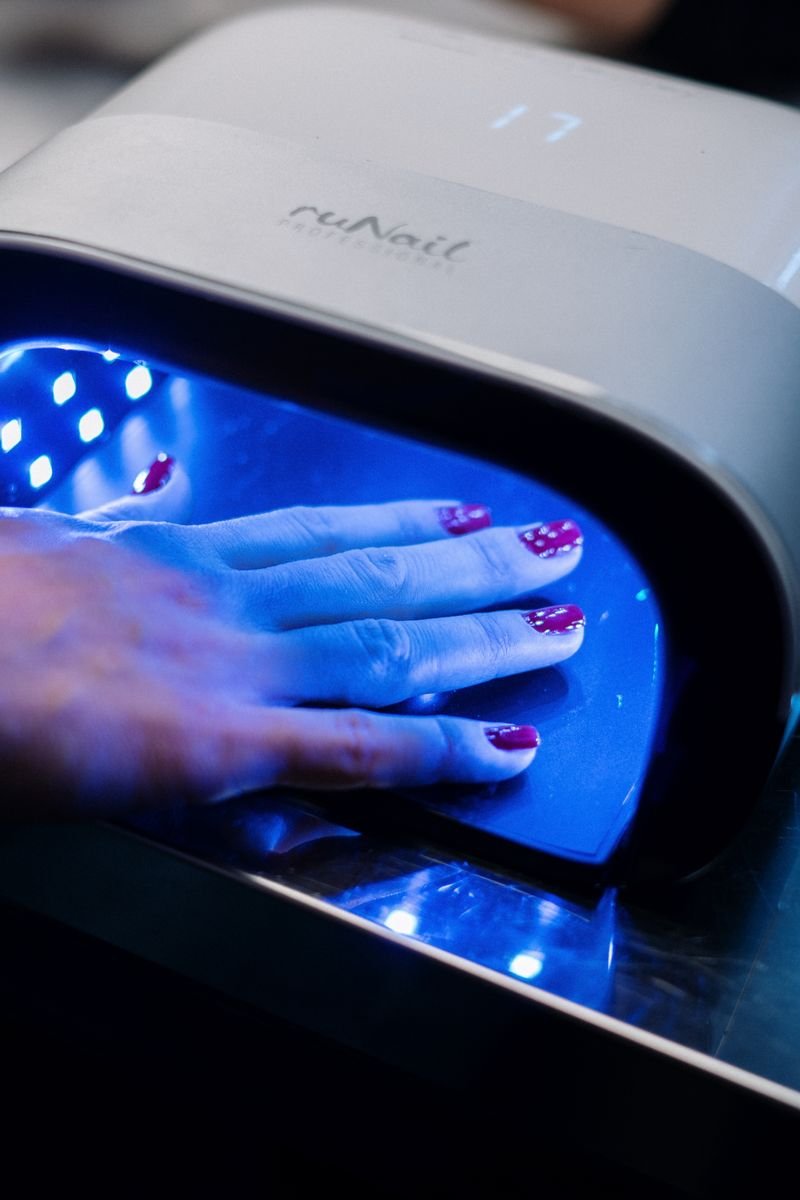
How a Gel Manicure Is Done, Step by Step
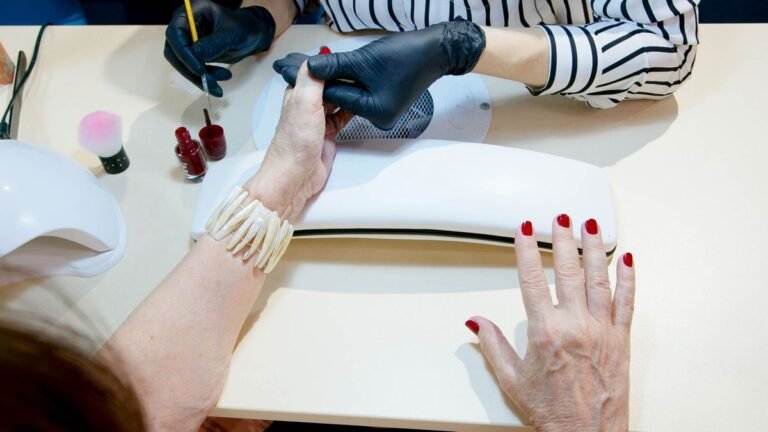
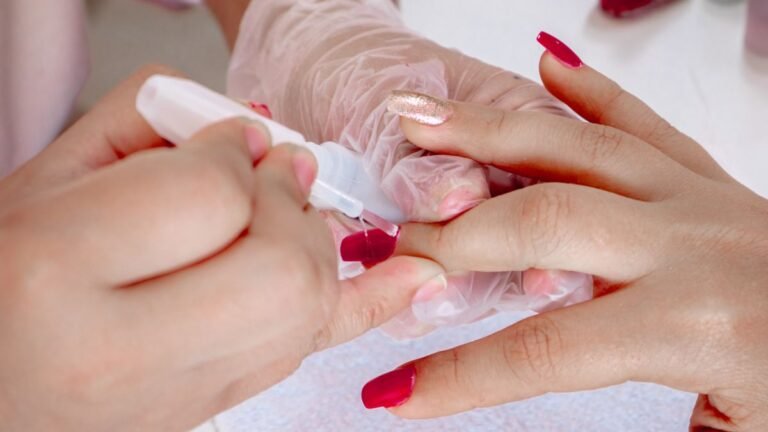
The easiest way to answer “what is a gel manicure?” is to watch one being done. A standard gel manicure at a salon takes about 45 to 60 minutes. Add 15 minutes or more if you need old gel removed first or want nail art. Here is what a good tech will do.
- Remove old polish. Any regular polish comes off with remover. Old gel gets soaked off.
- Shape the nails. The tech files your nails into the shape you pick. Not sure which one suits you? Our comparison of round vs square nails can help you decide before you sit down.
- Clean up the nail plate. The tech removes the thin, clear dead skin that sticks to the surface of the nail. The American Academy of Dermatology advises that you should never let anyone cut or push back your cuticles, since this can lead to inflammation and infection. Say so before they start.
- Buff and dehydrate. A soft buffer takes the shine off the nail so gel can grip. Then a wipe of alcohol or a dehydrator removes oil.
- Base coat, then cure. A thin base coat goes on and spends 30 to 60 seconds under an LED lamp, or about 2 minutes under an older UV lamp.
- Two thin color coats. Each coat is cured on its own. Thin coats cure all the way through. Thick coats can stay soft underneath and wrinkle or peel.
- Top coat, then cure. The top coat seals in the color and adds that glassy shine.
- Wipe and oil. Many top coats leave a sticky film after curing. The tech wipes it off with alcohol, then rubs cuticle oil around each nail.
Curing times change with the brand and the lamp. Our gel polish cure time calculator gives you a time for your exact setup.
How Long Does a Gel Manicure Last?
Expect two to three weeks. That matches the wear time listed in the Wikipedia overview of artificial nails, and it is what most clients see in real life. The polish rarely chips in that time. What usually ends the manicure is the gap at the base as your nail grows out.
What makes gel lift early
- Oily nail plates. If the nail is not dehydrated well, the base coat cannot grip.
- Gel on the skin. Polish that touches the cuticle or side walls lifts first as the skin moves.
- Thick coats. They may not cure all the way through.
- Using your nails as tools. Opening cans or peeling stickers chips the free edge.
- Long hot soaks. Hours in a bath, a hot tub or the dish sink soften the bond.
How to make it last longer
Rub cuticle oil around your nails once a day. Wear rubber gloves for dishes and cleaning. Keep your nails a moderate length, since long free edges take more knocks. If one nail lifts, have it fixed instead of pressing it down with glue, which can trap water under the gel.
Gel vs Regular Polish vs Shellac vs Dip vs Acrylic
Here is how gel stacks up against the other common salon services. One point clears up a lot of confusion: Shellac is a brand name. CND sells it as a gel polish, and its official Shellac product page promises 14+ days of wear and cures each layer under the CND LED lamp.
| Type | How it sets | Typical wear | Adds strength? | Removal |
|---|---|---|---|---|
| Regular polish | Air dries | About 3 to 7 days | No | Regular remover, a few minutes |
| Gel polish | UV or LED lamp | 2 to 3 weeks | A little | Acetone soak, about 15 minutes |
| Shellac (CND brand gel) | CND LED lamp | 14+ days (brand claim) | A little | CND’s quick-release removal |
| Dip powder | Liquid activator, no lamp | About 4 weeks | Yes | File top layer, then acetone soak |
| Acrylic | Liquid and powder air harden | Up to 21 days, longer with fills | Yes, the most | File down, then acetone soak |
Wear times for gel, dip and acrylic come from the Wikipedia article on artificial nails. Dip comes off differently than gel, so if you switch, read our guide on how to remove dip nails first.
Still deciding? Our gel vs regular vs press-on nails tool asks a few quick questions about your budget and routine and points you to the best fit.
Try the free Nail Color Matcher
See which polish colors suit your skin tone. Free, no sign-up.
How Much a Gel Manicure Costs
At most US salons, a basic gel manicure runs about $30 to $60. Big cities and high-end salons charge more. Expect extra fees for gel removal, French tips, chrome or hand-painted art.
A tip of 15 to 20 percent is standard in the US, so add that to your budget.
Is a Gel Manicure Safe?
For most people, an occasional gel manicure is low risk if it is done well. There are three things worth knowing about: the UV light, allergies to the gel itself, and wear and tear on your nails.
UV lamps and skin cancer risk
Both “UV” and “LED” nail lamps give off UVA light. LED lamps cure faster, so your hands spend less time under them, but they are still a UV source.
A 2014 study in JAMA Dermatology measured the UV output of 17 nail lamps collected from 16 salons. The authors found that UVA output varied a lot between lamps. They concluded that the risk of cancer “remains small,” but noted that the risk to real people from many visits had not been tested. They advised physical sunscreen or UVA-blocking gloves.
A 2023 lab study in Nature Communications exposed human and mouse cells to a nail polish dryer. One 20-minute session killed 20 to 30 percent of the cells. Three 20-minute sessions on three days in a row killed 65 to 70 percent. The light also caused DNA damage and mutations in the cells. Keep in mind this was done on cells in a dish, not on people’s hands, and 20 minutes is far longer than a normal cure.
The simple fix is to block the light. The American Academy of Dermatology recommends a broad-spectrum, water-resistant sunscreen with SPF 30 or higher on your hands before the appointment. Or wear dark, opaque gloves with the fingertips cut off.
Allergies to acrylates and HEMA
Gel products contain chemicals called (meth)acrylates. Uncured gel on the skin can cause an allergy that lasts for life. In 2018, the British Association of Dermatologists warned of an “epidemic” of these allergies in the UK. In their audit of 4,931 patients tested at skin clinics, 2.4 percent reacted to at least one (meth)acrylate. The most common trigger was 2-HEMA, at 1.5 percent.
Signs include nails loosening and an itchy red rash on the fingertips. The rash can also show up anywhere you touched with your nails, such as the eyelids, face and neck. The same chemicals are used in dental fillings and some medical devices, so an allergy can cause problems at the dentist or in surgery later on.
How to lower your risk:
- Do not let uncured gel touch your skin. A good tech keeps a small gap at the cuticle.
- Cure every coat for the full time with the lamp made for that gel. The BAD warns that the wrong lamp may leave gel undercured.
- Ask for HEMA-free gel. Many brands now sell HEMA-free lines. They lower your exposure to the most common trigger, though they still contain other acrylates.
- If you get a rash after a gel manicure, stop and see a dermatologist. Standard patch tests do not include (meth)acrylates, so ask for them by name.
One more note on ingredients: the European Union banned the photoinitiator TPO in cosmetics, including nail products, as of September 1, 2025, according to the Wikipedia page on artificial nails. You can check your gel’s label for it if you buy your own.
Effects on your natural nails
The AAD says gel manicures can cause brittle nails, peeling and cracking. Most of that damage comes from removal: peeling the gel off pulls up layers of your nail, and long acetone soaks dry out the nail and skin.
The AAD suggests a break of one to two weeks or longer between manicures. During the break, rub petroleum jelly or another moisturizer into your nails and cuticles several times a day.
How Gel Polish Is Removed
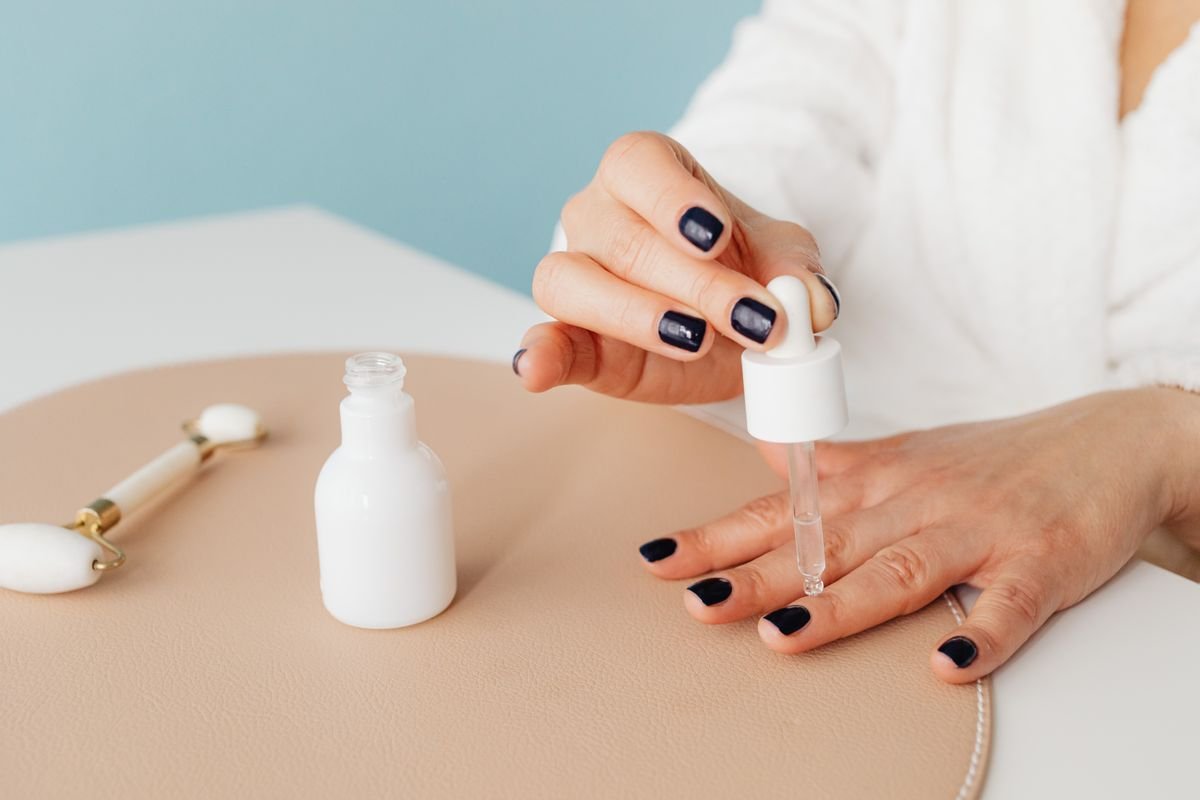
Gel polish needs acetone. The top coat is buffed lightly, then the tech wraps each fingertip in acetone-soaked cotton and foil. The AAD says the gel should come off after about 15 minutes. Soaking just the fingertips, not your whole hand, spares your skin.
Never peel or pick it off. For a full walkthrough you can do at home, see our guide on how to get gel polish off safely.
Salon vs At Home
At-home gel kits are cheap and handy. They also come with real risks if you skip steps. In the BAD’s survey of 742 clinic patients, 26 percent applied nail products at home, and 11 percent said the kit instructions were not good enough.
| Salon gel manicure | At-home gel kit | |
|---|---|---|
| Cost | About $30 to $60 each visit, plus tip | About $30 to $80 for a starter kit with lamp, then a few dollars per manicure |
| Time | 45 to 60 minutes | 60 to 90 minutes while you learn |
| Results | Even, thin coats with clean edges | Better with practice; flooding the cuticle is common at first |
| Allergy risk | Lower if the tech keeps gel off your skin | Higher if gel touches skin or is undercured |
| Best for | Special events, nail art, first-timers | Regular wear on a budget once you have the skill |
If you go the home route, use the lamp sold with your gel brand, cure each coat for the full time, and wipe any gel off your skin before curing. Pick colors that hide small mistakes at first. Our nail color guide shows which shades flatter your skin tone.
Frequently Asked Questions
What is the difference between gel and Shellac?
Shellac is one brand of gel polish, made by CND. All Shellac is gel, but not all gel is Shellac. It cures under CND’s own LED lamp, and the brand claims 14+ days of wear.
Do gel nails need UV light?
Yes. True gel polish stays wet until a UV or LED lamp cures it. Bottles sold as “gel effect” or “gel-like” polish that air dry are regular polish with a glossy top coat, and they do not last as long.
Is gel bad for your nails?
The gel itself is not the main problem. Peeling it off, harsh filing and frequent acetone soaks cause most of the thinning and peeling. Remove it gently and take breaks of one to two weeks.
Can you get gel on short nails?
Yes. Gel polish works on any length, and short nails often hold it better because the tips take fewer knocks. Just leave a thin gap at the cuticle so it does not lift.
How often can you get a gel manicure?
Most people book every two to three weeks. If your nails start to peel or feel weak, take a polish break of one to two weeks or longer before the next set, as the AAD advises.
How long does a gel manicure take?
Plan on 45 to 60 minutes for a plain color. Removal of an old set adds about 15 to 20 minutes, and detailed art can add 30 minutes or more.
Should You Try a Gel Manicure?
So, what is a gel manicure worth to you? Get one if you want shiny, chip-free nails for two to three weeks and do not mind a salon visit to take it off. Put on SPF 30 sunscreen or fingerless gloves before every lamp session, keep uncured gel off your skin, and ask about HEMA-free gel.
Skip it for now if you have an acetone allergy, a rash after past gel sets, or nails that are already peeling. Give them a break first, then try again.
Sources
- Gel manicures: Tips for healthy nails (American Academy of Dermatology)
- Dermatologists issue warning about UK artificial nail allergy epidemic (British Association of Dermatologists)
- Further Investigation Into the Risk of Skin Cancer Associated With the Use of UV Nail Lamps (JAMA Dermatology, 2014)
- DNA damage and somatic mutations in mammalian cells after irradiation with a nail polish dryer (Nature Communications, 2023)
- Artificial nails (Wikipedia)
- CND Shellac Brand (CND official product page)